
Three Mild Winters Don't Mean It's Over
Why Now Is the Right Time for Winter Home Protection in Durango
If you own a home in Durango or anywhere across Southwest Colorado, you've probably noticed the last few winters have been comparatively easy. Less snow. Fewer brutal cold snaps. Smaller heating bills. Gutters that drained fine without any drama.
And if you're like most mountain homeowners, you've started to wonder: Do I really need all that winter protection stuff?
Here's the honest answer: You made it through the last three winters fine, but that's not the same as being prepared for the next one.
Mild stretches in Southwest Colorado don't signal a new pattern. They signal you've been lucky. The heavy winters always return. And when the next real Durango winter arrives, the kind that buries driveways overnight, sends rooftop snow avalanching onto decks, and drives meltwater under shingles, the worst time to start thinking about ice dam prevention, snow retention, and gutter protection is after the forecast turns ugly.
This post explains why mild years are actually the optimal window for mountain homeowners to get protected, and what a comprehensive winter home protection system in Durango actually includes.

Get An Onsite Quote
Schedule Today
The Recency Bias Trap That Costs Mountain Homeowners Thousands
Human brains are wired to weigh recent experience more heavily than long-term patterns. If something hasn't happened recently, our instincts say it probably won't happen soon. That works fine for plenty of things. For Durango winters, it's an expensive mistake.
The data is clear: Durango has averaged 65–75 inches of snowfall per year for as long as the National Weather Service has kept records here, and that average includes plenty of mild years mixed in with brutal ones. Over any given decade, you'll see a few easy winters, a few average ones, and one or two that absolutely hammer the region.
Three light winters in a row don't mean the pattern has shifted. It means you're statistically due.
Anyone who's owned a home in Durango for 20+ years can tell you: The big ones always come back. The mild stretch isn't a new baseline. It's a window. And windows close fast.
What a Real Durango Winter Actually Does to an Unprepared Home
A mild winter is forgiving. A real one isn't. Here's what actually shows up on service calls when heavy winters return to Southwest Colorado:
Roof snow loads exceeding design capacity: Three feet of wet snow weighs roughly 60–75 pounds per square foot. A 2,000-sq-ft roof can support 60+ tons. Gutters not engineered for that load tear off the fascia. Eaves bend. Trim splits.
Ice dams that drive water under shingles: Meltwater hits the cold eave, refreezes, and forms a dam. New meltwater pools behind it and gets pushed up under the shingles by capillary action, into the attic, the insulation, and eventually the ceiling drywall in your living room. Ice dam damage in Durango routinely costs $50,000–$100,000+ to remediate fully when it's left unchecked.
Sliding snow that destroys everything below the eave: On metal roofs without snow retention, an entire winter's accumulation can release in a single afternoon. Decks get crushed. Gutters get ripped off. Vehicles get buried. Without snow retention on your Durango home, the question isn't if this happens, it's when.
Frozen downspouts that overflow onto siding and foundations: A downspout full of ice doesn't drain. Water cascades down the siding, soaks into the foundation, and either freezes against the wall, cracking the stucco, or pools at the footing, cracking the foundation itself.
Pine-needle-clogged gutters that dam up during the spring thaw: Debris that built up through fall freezes solid in December, then becomes a dam in March when the snowpack starts releasing. Every overflow event is a minor flood at your foundation.
A homeowner who skipped protective work during three mild winters can absorb all of this in a single season. We've seen it, and the bill regularly runs into the tens of thousands of dollars before factoring in time, disruption, and loss-of-use during repairs.
Why the Mild Stretch Is the Best Time to Act—Not a Reason to Wait
Most homeowners have it backward. They assume the right time to invest in winter home protection is when a bad winter is imminent. In reality, the mild years are the optimal window for three reasons.
1. Installation Is Faster, Safer, and Less Expensive in Dry Conditions
Gutter installation, snow retention, and heat cable work goes faster and cleaner when crews have dry roof access and stable temperatures. Once significant snowfall starts, projects in our region take longer, cost more, and carry real safety risk. We do winter installs when homeowners need us to, but every customer who's gone through one will say the same thing: get it done in the off-season. By the time a bad winter is bad enough to motivate action, you're paying a winter premium and you've already absorbed the first season's worth of damage.
2. Qualified Installers Book Up Fast When the Forecast Turns
When the forecast turns ugly across Southwest Colorado, every homeowner suddenly wants the work done at once. The best companies—the ones with certified crews, proper materials, and real warranties—fill their schedules within days. The only crews still available are the ones nobody else wanted. Scheduling during the mild stretch means access to the right installer, at the right price, on your timeline rather than theirs.
3. Insurance May Not Cover Preventable Damage
Homeowner's insurance typically covers "sudden and accidental" water damage. Damage that resulted from gutters you knew were inadequate or ice dams that formed because a heat cable wasn't installed often gets contested or denied. The adjuster's argument: you knew the risk and chose not to address it. A comprehensive winter protection system protects your home and your insurance position by demonstrating you took reasonable preventive action before the damage occurred.
The mild years are when smart mountain homeowners get prepared. The bad years are when unprepared ones pay for it.
What a Complete Winter Home Protection System in Durango Includes
This is where most homeowners, and many contractors, get it wrong. A gutter by itself doesn't solve the mountain winter problem. A gutter clogged with pine needles in October fails before the first snow even hits. A gutter that drained perfectly in October fills with ice in December. A gutter that survived November can get ripped off the house in March when a roof-load of snow lets go at once.
A real water and ice management system for Southwest Colorado homes integrates four components, each handling a part of the problem that the others can't.
Component 1: Engineered Seamless Gutters
Everything else attaches to this. We call it the Elevated Gutter because it's not a standard builder-grade trough; it's a properly engineered seamless gutter built for mountain conditions: heavy-gauge (.032" minimum), 6-inch box profile, formed on-site, secured with engineered aluminum hidden hangers and 4-inch screws driven through any required fascia wedge and into the structural rafter tail.
The full spec breakdown is covered in our previous post on what separates quality gutters from cheap ones. The short version: The gutter has to be built for mountain runoff and mountain snow load, not for average rainfall in average markets.
Component 2: Gutter Protection (Gutter Helmet®)
Solid-cover gutter protection uses surface tension to draw water into the gutter while letting pine needles, leaves, and seed pods slide off the front edge. Not mesh. Not foam inserts. A solid cover.
In Durango and Pagosa Springs, where ponderosa pines shed constantly, an unprotected gutter becomes a debris trough by November. Clogged gutters in December freeze into ice dams. Gutter Helmet® is how the gutter keeps doing its job through the seasons, not just in ideal conditions. As the exclusive Gutter Helmet® dealer for Durango, Bayfield, and Pagosa Springs, we've seen firsthand what happens when pine-country homeowners skip this step.
Component 3: Heat Cable (Helmet Heat®)
Self-regulating heat cable integrated inside the gutter and downspouts. It activates based on temperature and moisture conditions and keeps the drainage path open so meltwater always has somewhere to go.
Helmet Heat® doesn't melt snow off your roof. It prevents ice dams from forming by maintaining a clear channel through the coldest snaps. Without it, even a perfect gutter with perfect protection can freeze solid during a sustained cold spell and back water under your shingles. It has to be in place before winter starts; you can't add it after the ice forms.
Component 4: Snow Retention (Snow Fence)
Strategic snow fence installation on metal roofs holds accumulated snow in place and allows it to melt gradually, rather than releasing in one massive roof-clearing event.
Without snow retention on a metal roof in Durango or the surrounding mountain communities, your gutters, decks, landscaping, vehicles, and anyone standing near the eave are in the path of hundreds of pounds of sliding snow. This isn't a fringe risk. It's a routine event on unprotected metal roofs during thaw cycles. Snow fence isn't decorative; it's the difference between a controlled melt and a destructive release.
Why Each Component Requires the Others
While any of the four can be installed in isolation, we don't recommend it, because mountain weather doesn't attack one component at a time:
Gutters without protection clog, overflow, and become useless by mid-fall.
Gutters with protection but no heat cable freeze solid in deep cold and back water under shingles.
Heat cable without quality gutters warms a failing channel; it can't save water that has nowhere to drain.
Snow fence without integrated drainage holds snow on the roof, but the meltwater still needs a managed path off the eave.
A real Durango winter brings debris loading in fall, ice dam conditions in deep cold, sliding-snow events during thaw cycles, and peak runoff during spring melt. If your system handles three of those threats and ignores the fourth, the fourth is what costs you.
We've seen homes with beautifully engineered gutters fail because heat cable wasn't added. We've seen gorgeous metal roofs destroy their own gutter systems because snow fence was skipped. The system only works as a system. Half-measures are how mountain homes get hurt.
The Cost Question, Answered Honestly
A comprehensive winter home protection system is a real investment. Complete integrated systems in our region typically start around $10,000 and scale based on roof size, complexity, and which components your home needs.
Here's the math that matters:
A single ice dam event can cost $50,000–$100,000+ in interior damage, mold remediation, and insurance disputes
A sliding-snow event can take out a deck and a vehicle in a single afternoon
Foundation damage from years of mismanaged runoff can run $25,000–$50,000 to repair properly
The comprehensive system doesn't need to prevent a lot of damage to pay for itself. It needs to prevent one event in one real winter, which is exactly the winter the homeowner who skipped preparation is facing unprotected.
A companion post walks through exactly what a real system like this costs for one Durango homeowner: How Much Does a Complete Gutter System Cost in Durango? A Real Price Conversation
Frequently Asked Questions About Winter Home Protection in Durango
How can you tell when the next heavy winter is coming?
You can't predict it precisely, but you can recognize that mild stretches in Southwest Colorado are temporary. Climate variability in our region is high, and three mild winters is well within the historical pattern. It doesn't mean the pattern has changed; it means a return to the long-term average is statistically due. Preparing during the mild stretch eliminates the gamble.
Can I install just one component now and add the rest later?
Yes, and phasing sometimes makes sense. For example, if your existing gutters are structurally sound but heat cable is missing. The risk is that mountain weather attacks all components simultaneously. A home with quality gutters and protection but no snow retention can still have its entire system destroyed in a single sliding-snow event. We always assess the full home and recommend a phasing plan that addresses the highest-risk gaps first.
Will my homeowners' insurance cover ice dam or sliding snow damage?
Sometimes. Most policies cover sudden and accidental water damage, but claims are frequently contested when there's evidence the damage was preventable. If ice dams formed because no heat cable was installed, or if snow destroyed gutters that had no retention system, adjusters may argue you failed to take reasonable preventive measures. A comprehensive system strengthens your insurance position by demonstrating proactive protection.
What's the best time of year to schedule gutter and snow retention installation in Durango?
Spring through fall is ideal, or April through October. Crews work faster, safer, and more cost-effectively in dry conditions with stable roof access. As fall approaches, schedules tighten and availability at quality companies shrinks. Winter installs are possible but cost more and take longer. The earlier in the off-season you schedule, the more flexibility you have on timing and crew availability.
How long does a complete install take?
Most full-home comprehensive installations take 1–2 days depending on roof size, roofline complexity, and which components are included. Larger homes or complex rooflines can take longer, but the typical project is complete before the weekend. Earlier scheduling means more date flexibility before the fall rush fills the calendar.
What if I want to start with just the gutters and see how next winter goes?
That's a reasonable approach, and we'll tell you honestly whether it makes sense for your specific home. But understand the trade-off: a gutter alone, without protection or heat cable, is the component most likely to fail in a real Durango winter. You may end up doing more work under winter conditions in year two than you'd have done in a single efficient off-season install. We'd rather talk through a phasing plan than sell you something that doesn't actually protect you.
Is snow retention necessary if I don't have a metal roof?
Snow retention is primarily a concern for metal and other low-friction roofing systems where accumulated snow can release suddenly. Asphalt shingle roofs typically have enough friction to release snow gradually. If you have a metal roof anywhere in the Southwest Colorado mountain communities, snow retention isn't optional; it's the component that protects everything below the eave. We assess this on every consultation.
The Bottom Line: Don't Design Your Home's Protection Around the Last Three Winters
Three mild winters is a memory. It is not a forecast, and it is not a plan.
The next real Durango winter is coming. It might be this December. It might be two seasons out. What won't happen is three more mild ones back-to-back, because that's not what this region does. The homeowners who will be protected when it hits are the ones using the mild stretch right now to schedule the work, while crews are available, costs are stable, and there's time to do it right.
Don't wait for the forecast to turn. By then, the best installers are booked, winter pricing is in effect, and at least one season of damage has already happened.
The mild stretch isn't a reason to wait. It's your window. Use it.
Get a Free Winter Home Protection Consultation in Durango
Southwest Home Innovations is a family-owned, locally operated company serving Southwest Colorado and Northwest New Mexico. We install integrated water and ice management systems—engineered seamless gutters, Gutter Helmet® gutter protection, Helmet Heat® ice dam prevention cable, and snow retention systems—designed specifically for mountain weather.
We're the exclusive Gutter Helmet® dealer for Durango, Pagosa Springs, and Bayfield, with manufacturer-certified W-2 crews and a transferable lifetime warranty on every install.
Schedule your free, no-pressure on-site consultation today.
The "expensive" option is dramatically cheaper over the life of the home. The "cheap" option is a payment plan for the same problem, paid in installments of ladder trips, re-installs, and water damage repairs.
How to Vet Any Gutter Contractor in Durango
When getting quotes, use these questions to separate qualified professionals from the trucks-and-ladders crowd. Ask every installer:
What gauge metal do you use? (Pro: .032" minimum for mountain climate)
What size and profile are you recommending, and why? (Pro: 6-inch box, based on their own measurements of your roof)
What kind of hangers? (Pro: Premium engineered aluminum hidden hangers, not spike-and-ferrule)
What length screw, and is it aluminum or stainless? (Pro: 4-inch aluminum, through the fascia wedge and into the rafter tail)
What size drop tube? (Pro: 2¾", 30% more capacity than standard)
How much on-site painting? (Pro: As little as possible; factory finish planned in advance)
Are your installers W-2 employees, manufacturer-certified, and on your insurance? (Pro: Yes, with paperwork to prove it)
Does your warranty cover materials AND labor, and does it transfer? (Pro: Both, yes)
If an installer can't answer those clearly—or gets defensive—move on. They're selling commodity, not a system.
Frequently Asked Questions About Gutter Installation in Durango
Are seamless gutters worth it over sectional gutters?
Yes, without exception. Sectional gutters have a potential leak point every 10 feet. In any freeze-thaw climate, those seams are the first thing to fail. Seamless gutters are formed continuously on-site, eliminating the weak points entirely. Sectional gutters should not be on the table for any modern residential installation in mountain country.
Why do Durango homes need 6-inch box gutters instead of standard 5-inch K-style?
Because almost every home using K-style is in a climate that doesn't get monsoon storms or 100+ inches of snowpack. K-style was designed for average rainfall in average markets. In mountain country, peak runoff during a monsoon storm or rapid snowmelt regularly exceeds K-style's design capacity. Six-inch box gutters carry roughly 40% more water and resist ice loading better due to their straight sidewalls. Different climate, different spec.
What's wrong with a standard 2⅜" drop tube?
Nothing for average markets — and that's the problem. "Standard" was specified for average rainfall in average climates. In mountain country, peak runoff during monsoon or snowmelt can exceed what a 2⅜" tube can move. A 2¾" tube moves roughly 30% more water for marginal additional cost. If your installer uses "standard" as a justification rather than evaluating your specific roof, that's a yellow flag.
Why does on-site painting matter in the mountains?
UV exposure at altitude is significantly more intense than at sea level. Factory-finished gutters are cured under heat and pressure, locking in the color for decades. On-site touch-up paint is not. Two years later, you can usually see exactly where the on-site painting was because it fades at a different rate than the factory finish. A professional minimizes it.
How long should quality gutters last in Durango?
A properly installed heavy-gauge seamless gutter system backed by a transferable lifetime warranty covers materials and labor for as long as you own the home and transfers to the next owner at sale. Cheap aluminum gutters in heavy-snow climates typically require replacement within 4–6 years, or sooner if a severe storm hits them first.
Is it worth replacing gutters that are only a few years old?
It depends. If your existing gutters are seamless, the right size for your roof, properly pitched, and securely anchored, they may be worth keeping. If they're sectional, undersized (5-inch K-style on a roof that needs 6-inch box), sagging, leaking at corners, or held up by spikes, replacement is usually the better long-term move. A trustworthy gutter contractor will tell you which camp you're in honestly — even if it means recommending a smaller job.
How do I actually compare gutter quotes apples-to-apples?
Ask each installer to specify, in writing: gauge, profile and size, hanger type, hanger screw length and material, drop tube size, amount of on-site painting, crew employment and certification status, and what the warranty covers and for how long. Once those variables are itemized, quotes can be compared side-by-side. Without them, you're comparing prices on three different products and pretending they're identical.
One Thing Most Gutter Companies Won't Tell You
Even a perfectly engineered gutter system, installed flawlessly, will underperform in Durango winters without the right supporting components.
A gutter is a channel. Its job is to move water. But in mountain country, moving water is only half the battle. The other half is keeping the channel clear of pine needles and ice — and keeping snow on your roof from avalanching down and tearing the entire system off the house.
We see both failure modes constantly — on quality installs, not just cheap ones — because nobody told the homeowner the gutter alone wasn't enough.
Three supporting systems make a gutter actually function in mountain weather:
Gutter Protection: A solid-cover system (not mesh, which clogs with pine pollen) that keeps needles, leaves, and seed pods out of the channel. Without it, Durango homeowners in pine country are on a ladder twice a year or watching their gutters overflow.
Heat Cable: Self-regulating heat cable integrated inside the gutter and downspouts to prevent ice dams. Without it, the gutter that drained perfectly in October fills with ice in December, backs water under the shingles, and triggers drywall repairs by February.
Snow Retention: Strategic snow fencing on metal roofs that holds snowpack in place for gradual melt rather than a sudden roof avalanche onto gutters, landscaping, decks, and anything else below.
A professional gutter contractor will tell you which of these your home actually needs based on your roof type, tree cover, exposure, and elevation. A cheap installer hangs the trough and leaves.
The Bottom Line for Durango Homeowners Getting Gutter Quotes
Gutters look like a commodity from the ground. They aren't. The differences are in the gauge, the profile, the hangers, the screw length and material, the drop tube size, the paint plan, the crew, and the warranty — and every one of those variables matters more in mountain country than almost anywhere else in America.
When three installers quote you wildly different prices, it's not because two of them are gouging you. It's because you're not being quoted the same product. One is selling a trough. Another is selling a system.
Durango homes need Durango gutters — built for the specific weather we actually get. Not Dallas gutters. Not Kansas City gutters. Not Enid, Oklahoma gutters. When you live at elevation in Southwest Colorado, you need specs engineered for what happens up here.
Your home is the largest investment most people will ever make. Spend an extra hour asking the right questions before you sign a contract, and you'll save yourself a decade of regret.
Get a Free Gutter Consultation in Durango
Southwest Home Innovations is a family-owned, locally operated gutter company serving Southwest Colorado and Northwest New Mexico. We're the exclusive Gutter Helmet® dealer for Durango, Pagosa Springs, and Bayfield, and we install across the entire region.
We've been protecting mountain homes from water and ice damage for decades.
Ready for a free, no-pressure on-site consultation?
📞 (970) 749-5415 🌐 southwesthi.com
Serving Durango, Bayfield, Pagosa Springs, and the entire Four Corners region.
Expertise In Action
Our Customers Love Us!
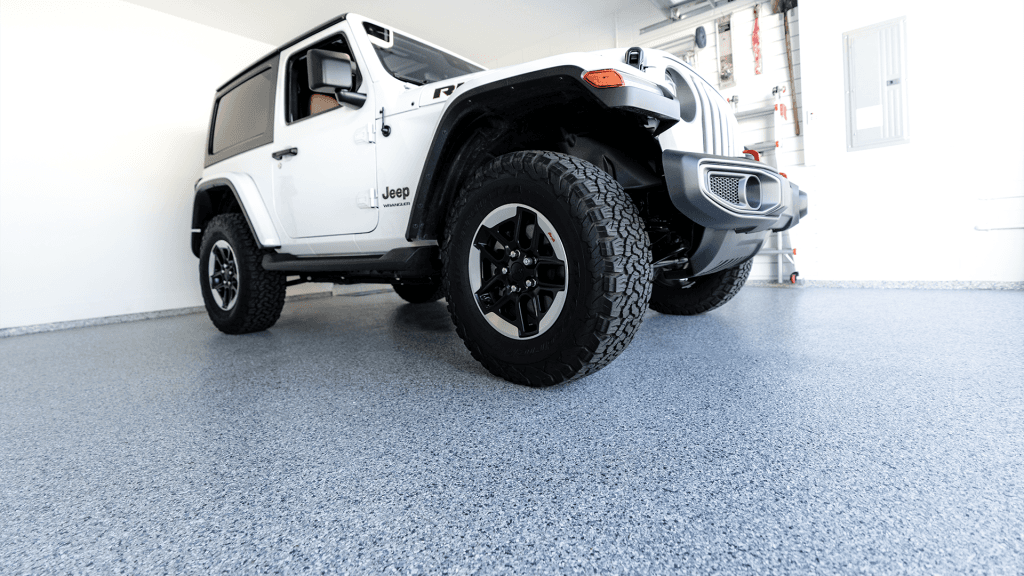
Southwest did an amazing job on my garage floor! (in one day). It's been nine months and still looks as good as day one! Great people to work with.
Our front porch has been transformed into a thing of beauty. Kurtis was thorough in the assessment of the area, and was helpful with color choice. Communications with Kurtis and office staff were prompt and clear. Robert and Justice did a phenomenal job. They're talented, diligent and friendly. Expectations exceeded!
Installation was quick, clean, accurate and the crew was courteous. Give them a call for a quick response estimate.
Beautiful job on garage floor!
Professional crew and efficient!!
Solid friendly techs with lots of experience and open to suggestions.
Excellent communication, installation, and quality. I am very grateful to Kurtis as well as Robert and his team.
Southwest Home Innovations did a great job on our garage floor coating! It looks fantastic! And they were very patient as my concrete took a very long time to cure, but Southwest made sure that it was properly ready for the coating. And they came perfectly when they said that they would, communicated well throughout, and made sure that we were happy after the job was done. I really can’t recommend them more.
Southwest Home Innovations did an excellent job with my gutter installation. Jason was professional and very thorough on the gutter installation. He completed the job on time. Kurtis was very responsive to provide a service quote. He explained all options and assisted with making the best choice for my home. I highly recommend their services. They are a very professional staff and their products are very reasonably priced. Excellent team!!!!
Communicative & professional. They did a good job with the gutter heat installation, and did it on time.
Crew was in time, efficient, and work looks fine. Very smooth install.
Prompt and efficient installation. Getting a quote was also easy. These guys are pros.
I had a great experience working with the team at Southwest Home Innovations! They were kind, efficient, and I can tell they value their customers!



Locally Owned & Operated
Durango , CO 81301
Mon - Fri: 8:30am - 4:00pm
Sat/Sun: Closed